Mastering the Money Bag Glyph Icon for Your Projects
In the world of digital design, the right symbol can speak volumes before a single word is read. The Money Bag Glyph Icon is one such powerful visual shorthand. It instantly communicates concepts of finance, wealth, savings, investment, and commerce. But its value goes far beyond a simple illustration. As a carefully crafted design asset, it offers versatility and impact that can elevate a wide range of projects, from mobile app interfaces to printed marketing materials. Understanding its characteristics and applications is key to using it effectively.
A Symbol with Universal Appeal and Modern Style
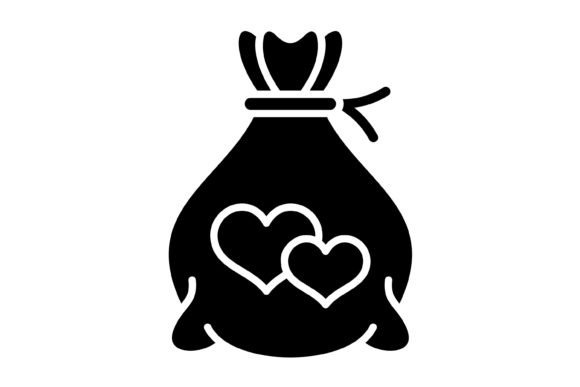
At its core, the Money Bag Glyph Icon is a minimalist, vector-based symbol. Its visual personality is clean, professional, and contemporary. It avoids overly complex details or cartoonish flourishes, which allows it to maintain clarity across different sizes and mediums. The design typically features the classic bag shape, often with a simple dollar sign or coin motif, rendered with smooth lines and balanced proportions. This style aligns perfectly with modern typography trends that favor simplicity and instant recognition.
This icon functions as a standalone visual element, but its true strength lies in its adaptability. As a premium font glyph, it is part of a larger design system. This means it shares a consistent aesthetic language with other icons and typographic elements, ensuring harmony in your projects. Whether you're pairing it with a clean sans serif font for a tech startup's website or integrating it into a presentation alongside a serif font for a financial report, the icon maintains its professional integrity. It's a creative font asset designed for real-world use.
Where This Icon Delivers Maximum Impact
The applications for the Money Bag Glyph Icon are extensive, touching nearly every area where visual communication meets finance or value. Its utility is a direct result of its thoughtful design and the comprehensive file formats provided.
For web design and mobile apps, the SVG and PNG (with transparent background) formats are invaluable. They ensure the icon renders crisply on any screen resolution, from a smartphone to a 4K monitor. Use it in navigation menus for banking apps, as a button icon for e-commerce checkout processes, or as a visual cue in infographics on personal finance blogs. Its scalability guarantees it remains sharp, contributing to a polished user interface and strong brand identity.
In print and editorial design, the vector formats (AI, EPS) take center stage. These are essential for high-resolution printing on business cards, brochures, flyers, and packaging design. Imagine a fintech company using this icon on its stationery or a savings campaign incorporating it into magazine ads. The icon's simplicity ensures it reproduces perfectly, whether it's a tiny watermark or a large focal point. For presentation decks, it can visually anchor slides about revenue, growth, or financial planning, making data more engaging.
Graphic designers and content creators will find it indispensable for social media graphics. A quick addition of the Money Bag Glyph Icon to an Instagram post about investment tips or a Facebook ad for a sale can increase engagement and message clarity. Its professional look helps establish credibility, which is crucial for marketers and entrepreneurs building trust online. Crafters and hobbyists might use the JPG or PNG files for personal projects like custom stickers, T-shirt designs, or digital scrapbooking, adding a thematic element with ease.
Integrating the Icon into Your Design Workflow
Choosing to use the Money Bag Glyph Icon is the first step. The next is integrating it thoughtfully into your work to maximize its effect on readability, visual hierarchy, and overall brand perception.
Start by evaluating your project's fit. This icon excels in contexts related to finance, value, and reward. It might feel out of place in a children's storybook but perfect for a banking app's dashboard. Consider the emotional tone you want to set. Its clean lines convey trust and modernity, which can enhance a brand's professionalism and recognition.
Next, think about font pairing. The icon's neutral style makes it a versatile partner. For a corporate report, pair it with a sturdy serif typeface. For a dynamic startup, combine it with a geometric sans serif font. The key is to maintain contrast and hierarchy. The icon should support the text, not compete with it. Test different placements and sizes to see how it influences the flow of information and guides the viewer's eye.
Always review the included formats. The provided ZIP file contains five different formats for a reason. Use the AI or EPS files for any print or scalable digital work where you need full editability. Use SVG for web and app interfaces to ensure fast loading and perfect scaling. Use the JPG for situations where a simple image is needed, and the PNG with its transparent background for seamless layering over other design elements. This approach ensures your design assets are used optimally.
Finally, remember the practical details. The icon is 100% vector, meaning you can scale it to any size without losing quality—a critical feature for responsive web design and multi-format campaigns. Its ease of editing allows you to adjust colors to match your brand identity precisely. While the asset is ready to use, taking the time to align it with your project's specific aesthetic will yield the best results, creating a cohesive and impactful visual story that resonates with your audience, whether they are small business owners, fellow designers, or end consumers.